
Neurological Conditions
Migraine: Symptoms, Phases, Diagnosis, Triggers, and Treatment
Migraine is a neurological disorder characterized by recurring attacks that can involve headache and a range of neurological and sensory symptoms.
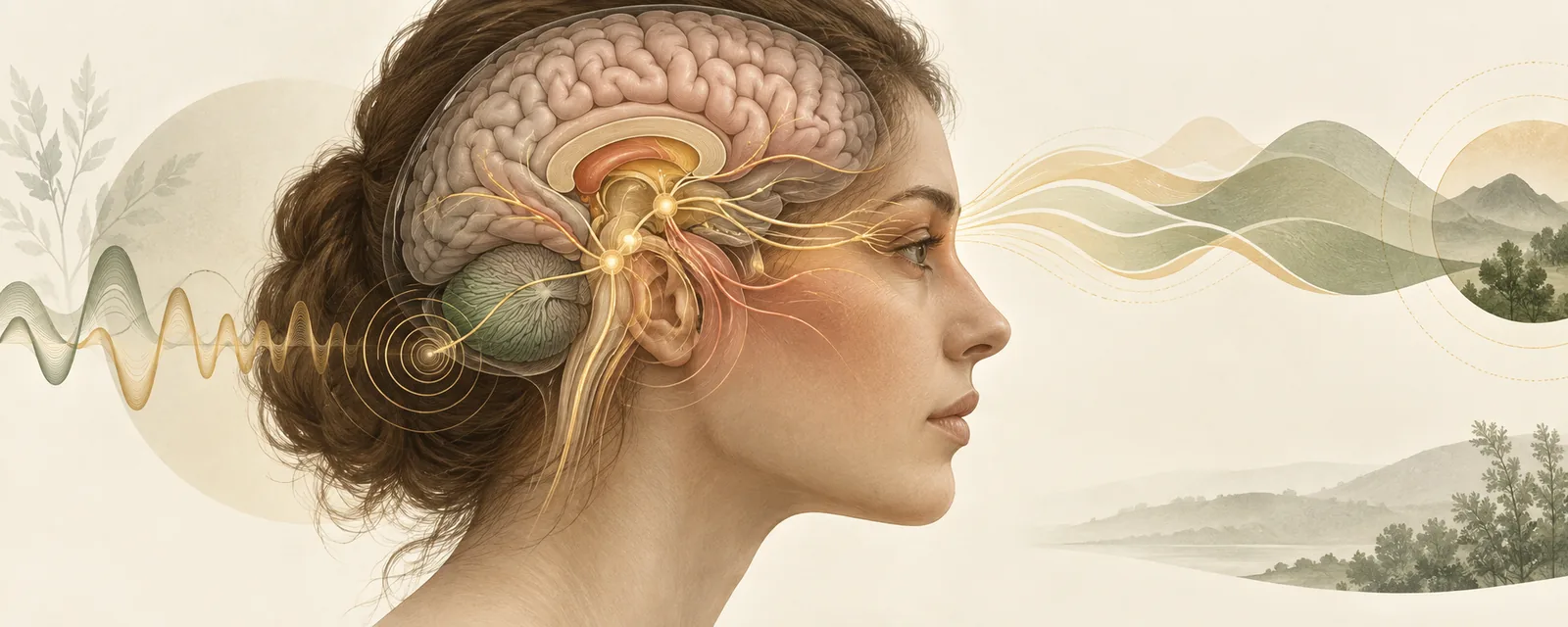
Overview
What is migraine?
Migraine is a neurological disorder characterized by recurring attacks that can involve headache and a range of neurological and sensory symptoms.
Migraine is more than an ordinary headache. An attack may involve nausea, vomiting, sensitivity to light, sound, or smell, visual symptoms, fatigue, and other neurological changes.
Attack pattern
Phases of a migraine attack
Not every person experiences every phase.
Prodrome
May occur hours or days before headache and can involve changes such as food cravings, mood changes, yawning, fluid retention, or increased urination.
Aura
Some people experience aura before or during an attack. It can involve visual changes, speech difficulty, tingling, confusion, or other temporary neurological symptoms.
Headache phase
Pain often develops gradually and may be felt more strongly on one side. Associated symptoms can include nausea, vomiting, sensitivity to light, sound, or smell, blurred vision, fatigue, and mood changes.

Individual patterns
Common triggers
Triggers vary widely. Common reported triggers can include:
- sleep disruption
- stress
- hormonal changes
- dehydration
- skipped meals
- certain sensory stimuli
- changes in routine
Keeping a headache diary may help identify patterns.

Clinical assessment
How migraine is diagnosed
Diagnosis usually relies on medical history, symptom pattern, and physical and neurological examination. Imaging is not routinely required for typical migraine but may be ordered when clinicians need to investigate other causes.
Individualized care
Treatment and management
Migraine management may include:
- acute treatments
- preventive medications
- identifying individual triggers
- regular sleep
- regular meals
- hydration
- behavioral/lifestyle approaches
- specialist treatment when needed
Treatment should be individualized with a healthcare professional.
Urgent warning signs
When to seek urgent medical attention
A new or unusually severe headache, particularly sudden in onset, or headache with weakness, speech difficulty, confusion, fainting, seizure, fever, neck stiffness, or significant neurological changes should be assessed urgently.
New neurological symptoms should not automatically be assumed to be migraine.