
Nervous System Health
Stress & the Nervous System: Understanding the Body’s Response
Stress is a physical or mental response to an external demand, event, or challenge. It is a normal part of life and can occur in response to short-term situations or repeated pressures over time.
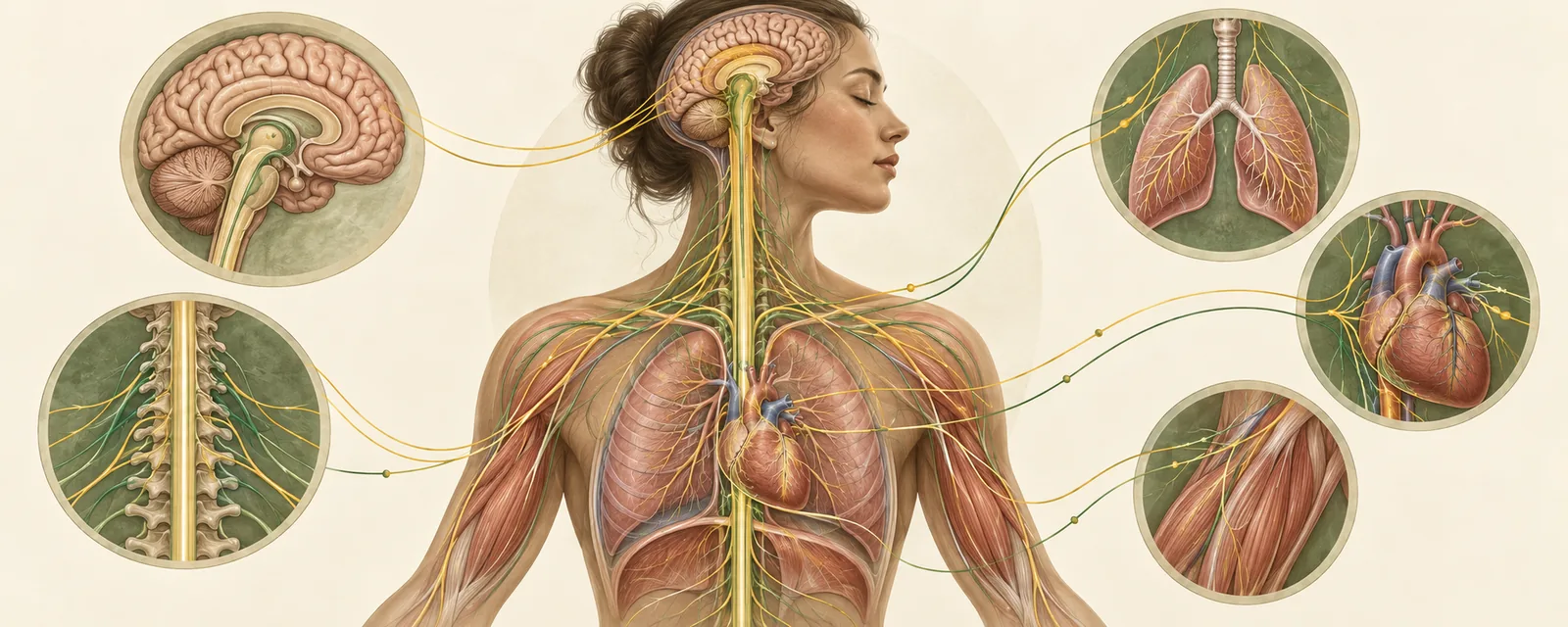
Coordinated response
What happens during stress?
When a person experiences stress, the brain and nervous system help coordinate responses throughout the body. These responses may affect alertness, heart rate, muscle tension, attention, sleep, mood, and behavior.
Short-term stress can sometimes be useful, such as helping a person react quickly or focus on an immediate task. Problems may arise when stress is prolonged, overwhelming, or begins to interfere with daily life.
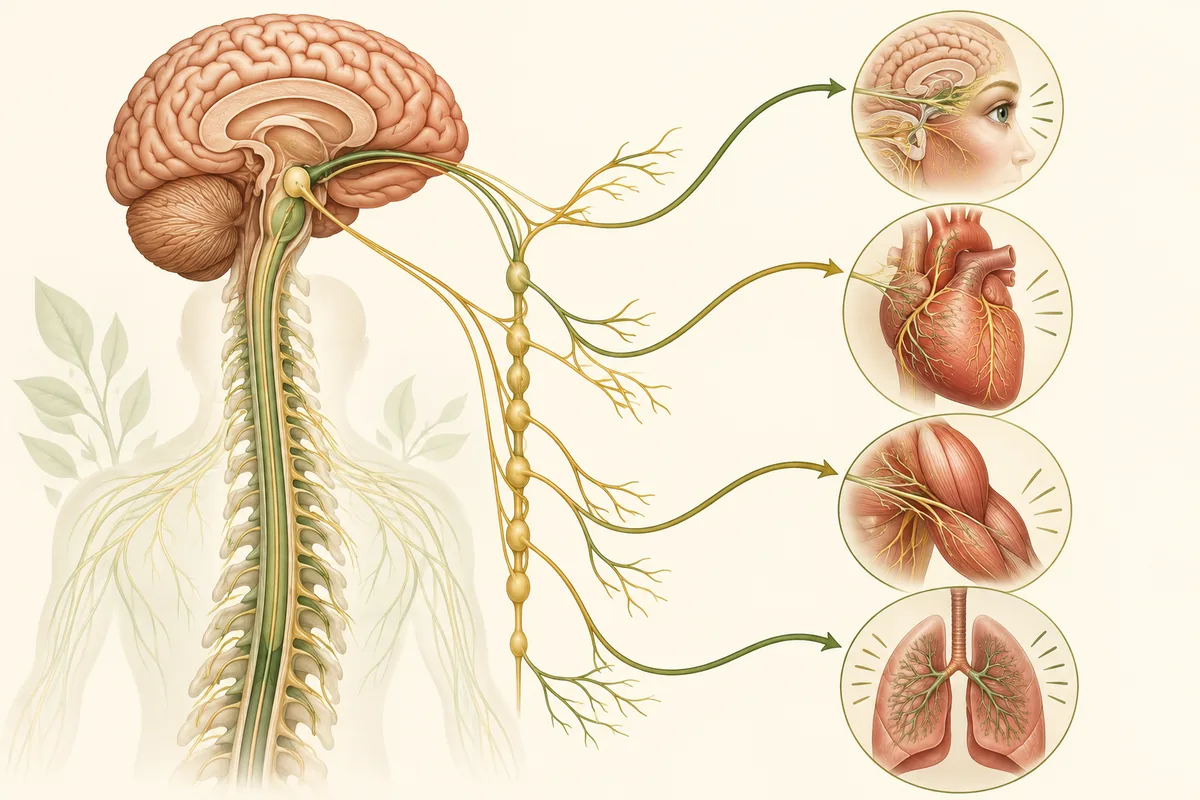
Important distinction
Stress versus anxiety
Stress generally occurs in response to an external cause and may improve when that situation is resolved. Anxiety can continue even when there is no immediate threat and may involve persistent worry or apprehension.
Both stress and anxiety can involve:
- excessive worry
- tension
- headache or body pain
- difficulty sleeping
- changes in concentration
- feelings of uneasiness
Regulation and recovery
Everyday strategies that may help
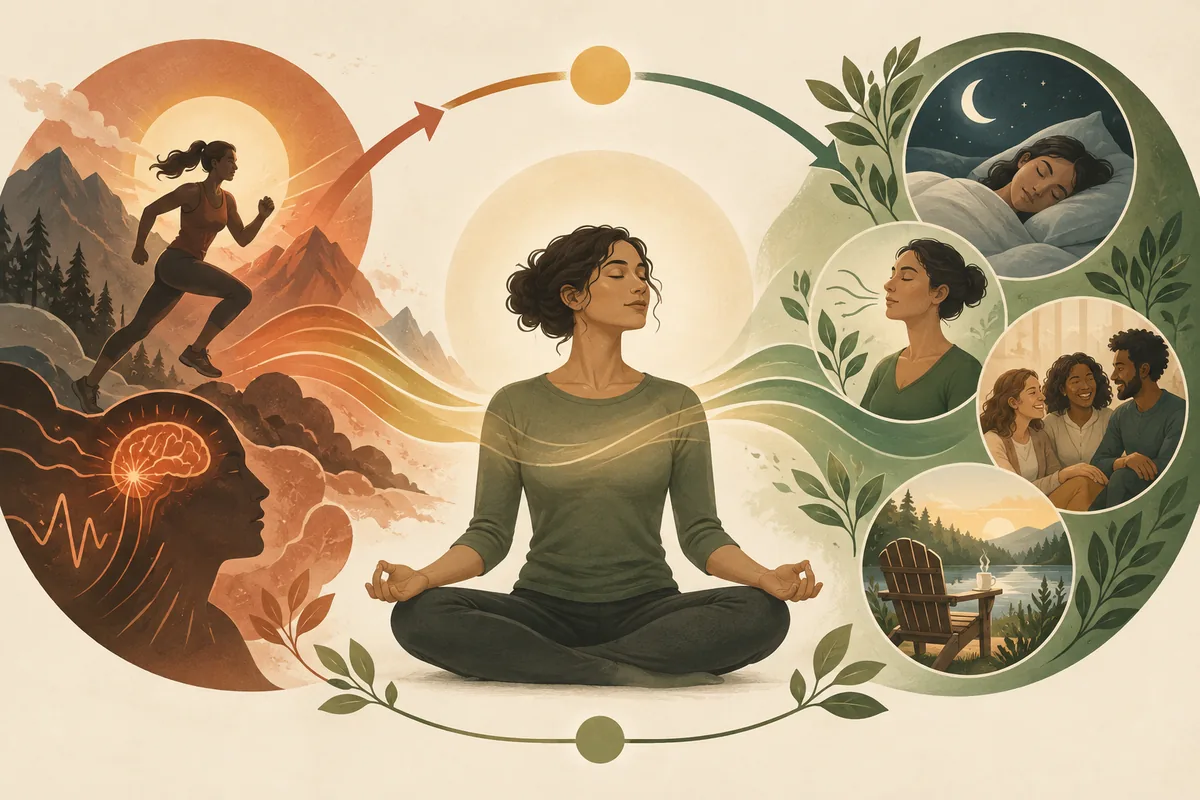
- identifying common stressors
- maintaining regular sleep
- exercising
- eating regular balanced meals
- relaxation or breathing techniques
- journaling
- mindfulness
- avoiding excessive caffeine
- supportive social connection
Professional guidance
When to seek professional support
Consider professional support when stress or anxiety:
- interferes with everyday life
- causes avoidance of normal activities
- seems constantly present
- significantly disrupts sleep or functioning
- becomes difficult to manage independently
Urgent help should be sought if a person is in immediate danger or experiencing a mental health crisis.
Reference