
Nervous System Health
Sleep & the Nervous System: Why Rest Matters for Brain Function
Sleep is a basic biological need and plays an important role in healthy brain function. During sleep, the brain and body carry out processes that support learning, memory, attention, emotional regulation, physical recovery, and overall health.

Brain function
How sleep supports the nervous system
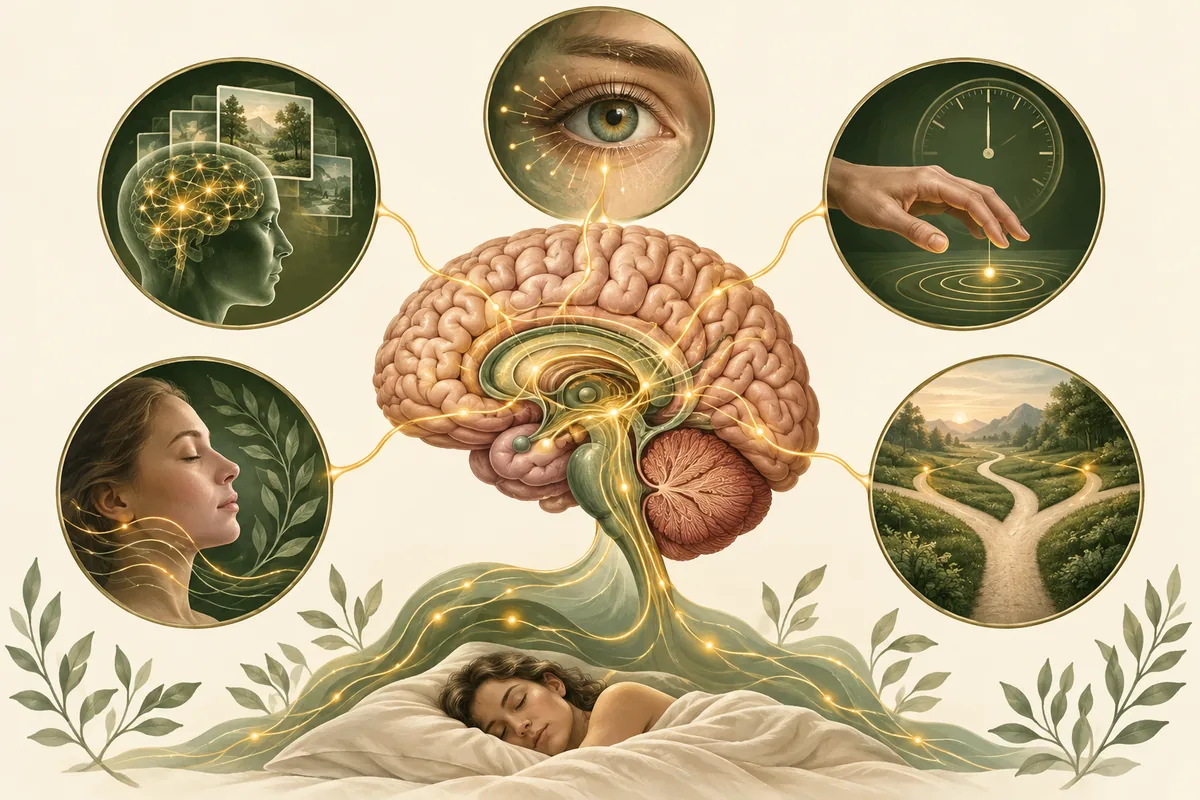
Adequate sleep helps support several functions associated with the brain and nervous system, including:
- learning and memory
- attention and concentration
- decision-making
- reaction time
- emotional regulation
- problem-solving
- adaptation to change
Sleep deficiency
What happens when sleep is insufficient?
Sleep deficiency is broader than simply staying awake too long. It may involve too little sleep, poor-quality sleep, sleeping at the wrong time, or a sleep disorder that prevents restorative sleep.
Insufficient sleep can interfere with concentration, learning, memory, judgment, reaction time, and emotional control. It can also affect school, work, driving, and social functioning.
General guidance
How much sleep do people generally need?
- children 6–12 years: 9–12 hours
- teenagers 13–18 years: 8–10 hours
- adults: 7–9 hours
Individual needs may differ, and sleep quality matters as well as duration.
Daily routine
Everyday sleep-supportive habits

- keeping a consistent sleep and wake schedule
- maintaining a quiet and comfortable sleep environment
- limiting caffeine late in the day
- reducing disruptive light and screen exposure before bed
- staying physically active during the day
- discussing persistent sleep problems with a healthcare professional
Professional guidance
When to seek medical advice
Seek medical guidance if sleep problems are persistent, significantly affect daytime functioning, involve repeated breathing interruptions, cause excessive daytime sleepiness, or occur alongside concerning neurological or mental health symptoms.
References