
Nervous System Health
Brain Health: Supporting How You Think, Feel, Move, and Function
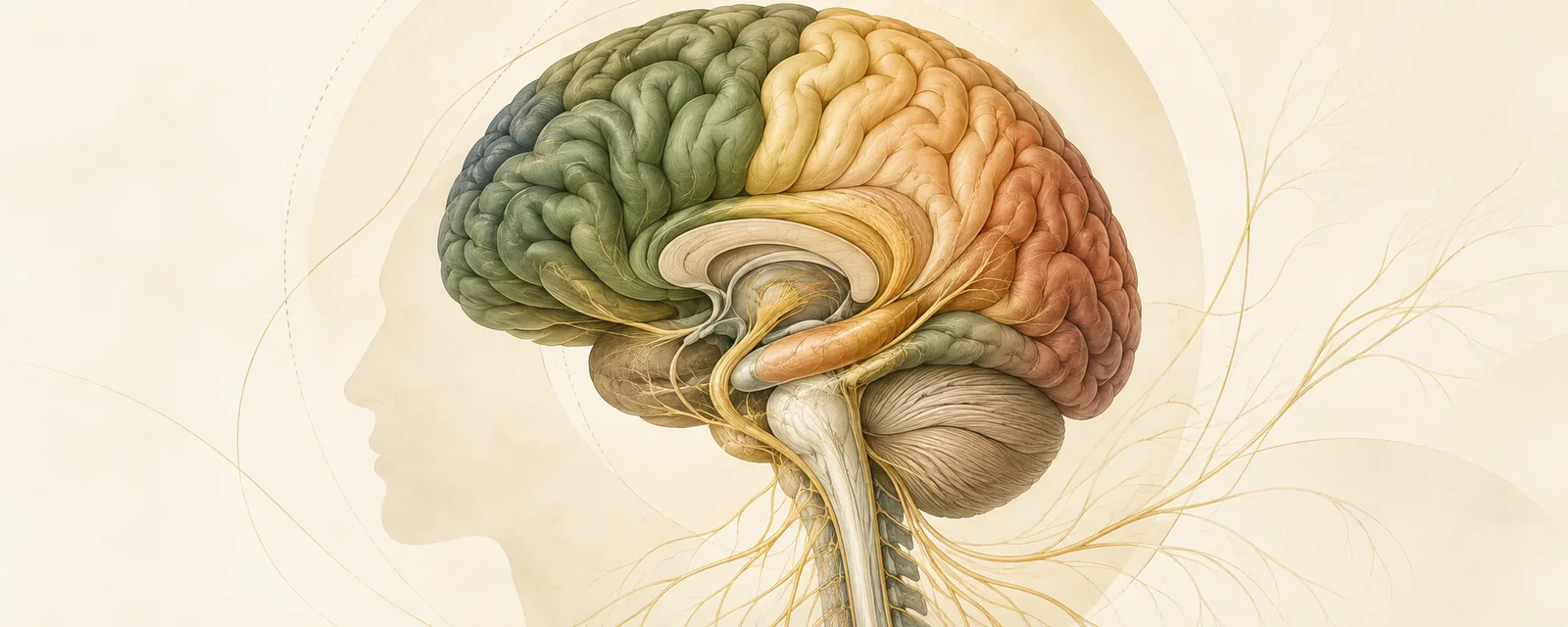
Brain health refers to how well the brain functions across several areas of daily life. These include thinking and memory, movement and balance, emotional responses, touch, and the senses. Brain health is influenced by many factors, including age, physical health, sleep, activity, injuries, mood, and certain medical conditions.
Core functions
What does brain health include?
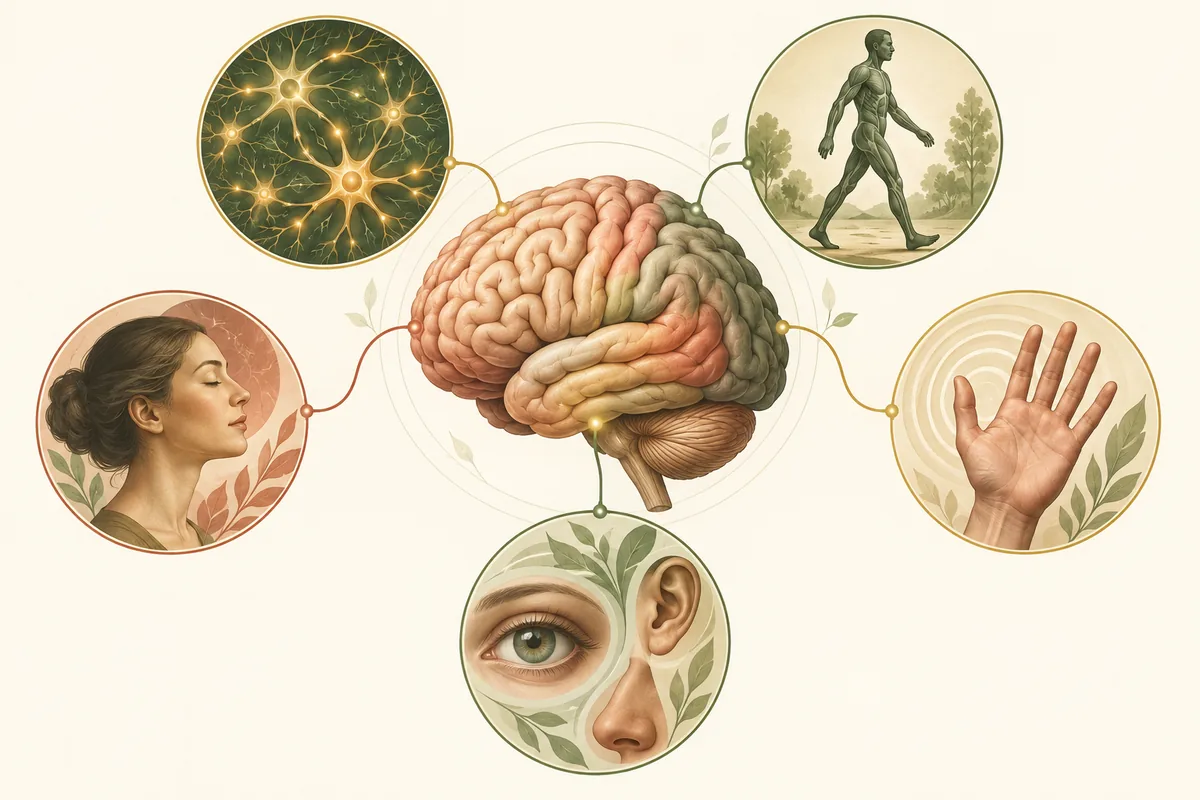
Brain health is broader than memory alone. It includes:
- Cognitive function — thinking, learning, remembering, planning, and problem-solving.
- Motor function — controlling movement and balance.
- Emotional function — interpreting and responding to emotions.
- Tactile function — sensing touch, pressure, pain, and temperature.
- Sensory function — seeing, hearing, tasting, and smelling.
Daily function
Why brain health matters
The brain helps coordinate many of the functions that allow us to interact with the world, make decisions, communicate, move, remember, regulate emotions, and respond to our surroundings. Changes in brain health can affect independence, safety, quality of life, and the ability to carry out everyday tasks.
General health context
Everyday factors linked with brain health
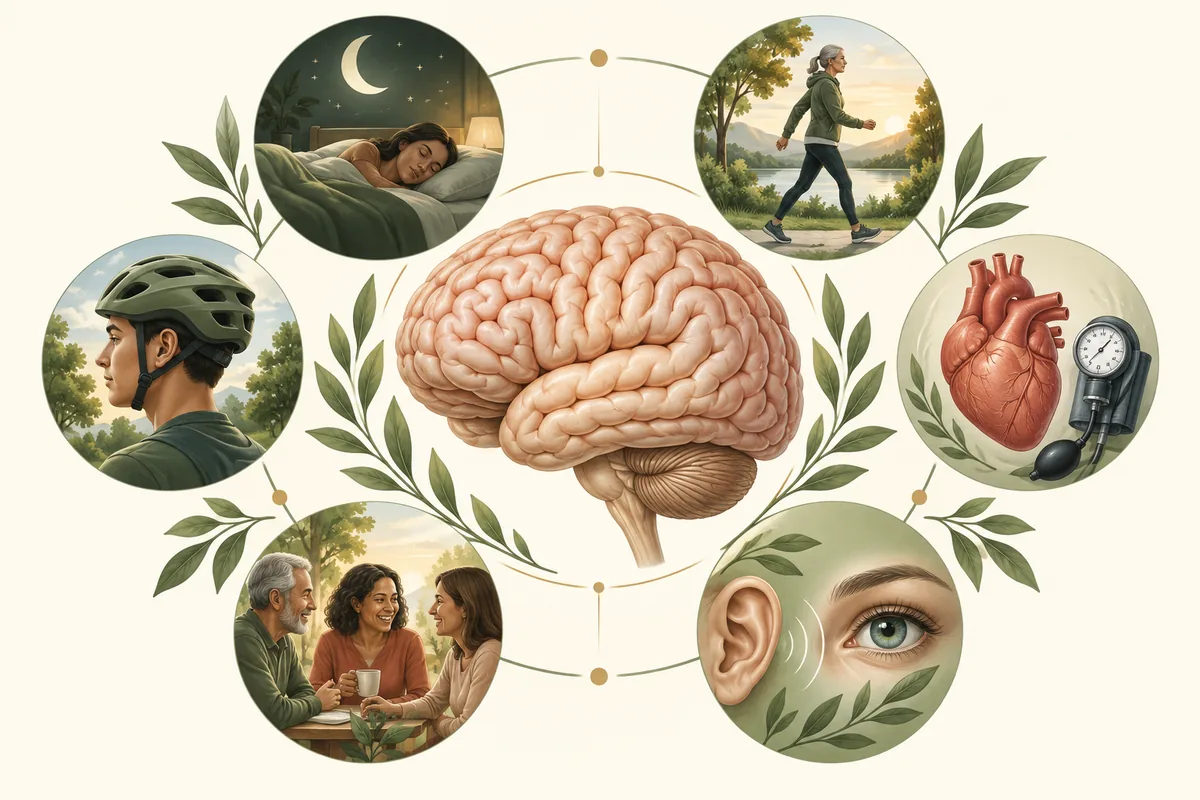
Research suggests that several aspects of general health are relevant to maintaining cognitive and brain function over time. These include managing conditions such as high blood pressure and diabetes, getting adequate sleep, remaining physically active, avoiding smoking, limiting alcohol, protecting against head injury, addressing hearing or vision problems, and maintaining social and mental engagement.
Nutrition is also part of general health, but claims about specific foods, diets, vitamins, or supplements should be treated carefully. Evidence around individual dietary supplements and prevention of cognitive decline remains inconclusive, and no vitamin or supplement is currently recommended specifically for preventing Alzheimer’s disease or other forms of cognitive decline.
Professional guidance
When to seek medical advice
Talk with a qualified healthcare professional if you or someone close to you notices persistent or worsening changes in memory, thinking, balance, movement, behavior, speech, sensation, or other neurological functions.
Sudden neurological symptoms—such as weakness on one side of the body, facial drooping, difficulty speaking, loss of vision, severe unexplained headache, or sudden loss of coordination—may require urgent medical attention.
References